
Complimentary consultation & digital scan
Hammons Family Dental provides Invisalign clear aligner treatment at its Georgetown office, 1502 Blue Ridge Drive, Suite 101. Treatment is planned and monitored by Dr. Travis Hammons, DDS — the same dentist who handles your routine care — and begins with a complimentary consultation and digital scan that shows your projected result before you commit. Candid Pro is also available for milder cases.
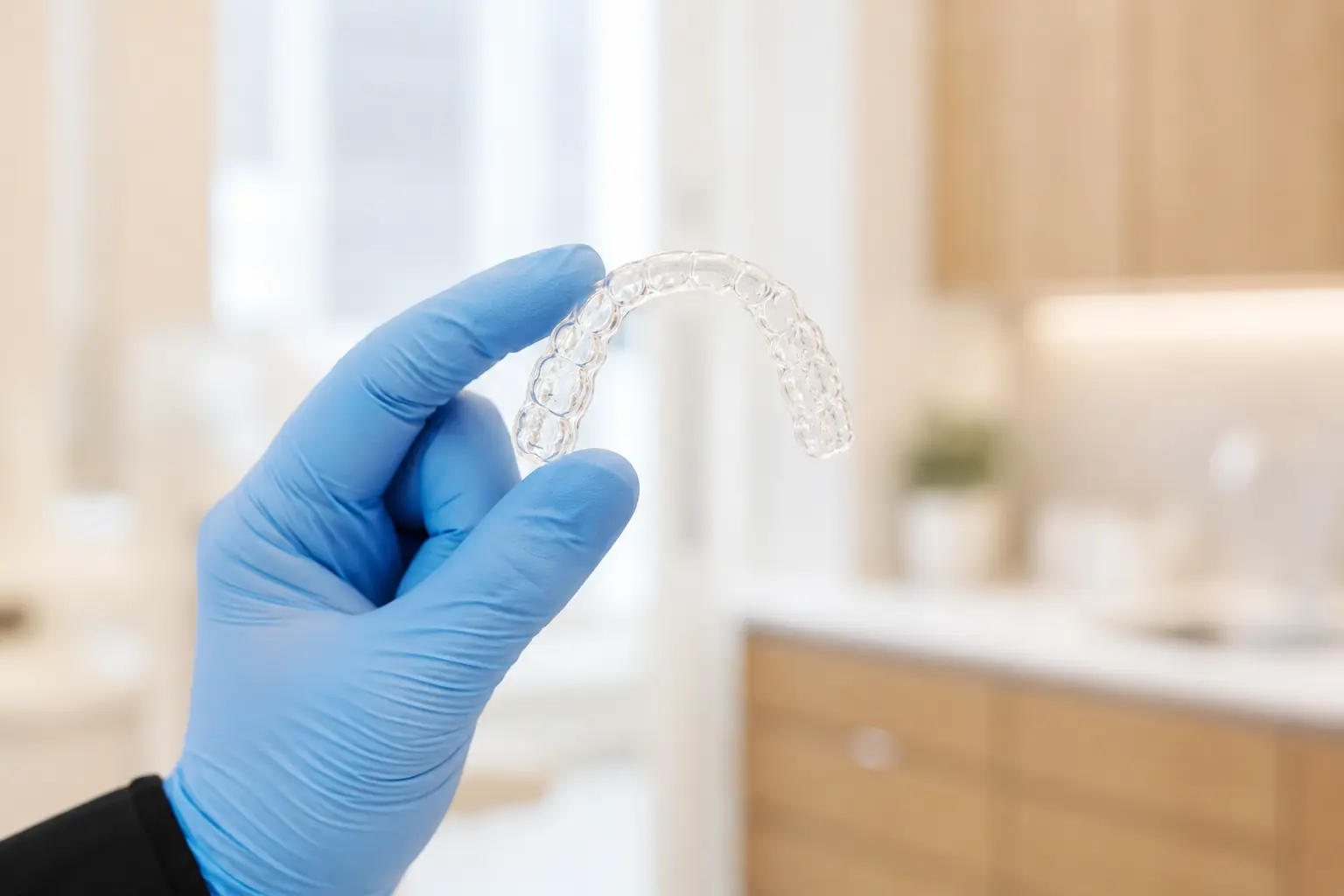
Invisalign straightens teeth with a sequence of clear, removable aligners rather than fixed brackets and wires. Each set moves your teeth incrementally, and you change to the next set roughly every one to two weeks. They come out to eat, brush, and floss — which is the reason most adults choose them.
What clear aligners correct
Aligners handle most common alignment problems well. A few situations still call for fixed braces or an orthodontic referral, and we'll tell you which category you're in at the consultation.
Teeth that overlap or twist because there isn't room for them. Crowded teeth trap plaque in places floss struggles to reach, so correcting them is a hygiene benefit as much as a cosmetic one.
Commonly treated
Spaces between teeth, whether from natural spacing or a tooth lost some time ago. Aligners can close gaps or deliberately open space to prepare a site for an implant or a veneer.
Commonly treated
Upper front teeth that cover too much of the lower ones. Left alone, a deep bite wears the lower incisors down over the years and can contribute to jaw discomfort.
Often treated
Upper teeth sitting inside the lower ones, or front teeth that never meet when the back teeth close. Both are treatable with aligners in many cases, though some are better served with fixed appliances.
Case by case
Teeth that drifted back after braces years ago, usually because a retainer stopped being worn. These are frequently short, straightforward aligner cases — sometimes only a few months.
Often quick
Significant jaw discrepancies, severely rotated or impacted teeth, and some surgical cases fall outside what aligners can do well. If yours is one, we'll say so and refer you to an orthodontist.
Referred out
Comparing your options
All three are legitimate. Which one is right depends on how much movement your case needs and how you want to live while it happens.
| Invisalign | Candid Pro | Traditional braces | |
|---|---|---|---|
| Visibility | Clear, largely unnoticeable | Clear, largely unnoticeable | Visible brackets and wires |
| Removable | Yes — out to eat and clean | Yes — out to eat and clean | No |
| Case complexity handled | Mild through moderately complex | Mild to moderate | Mild through severe |
| Typical treatment time | 6–18 months | 6–12 months | 18–30 months |
| Depends on you | Yes — 20–22 hours a day | Yes — 20–22 hours a day | No — they're fixed in place |
| Food restrictions | None — aligners come out | None — aligners come out | Yes — hard and sticky foods |
| Relative cost | Moderate to high | Lower | Moderate |
The process
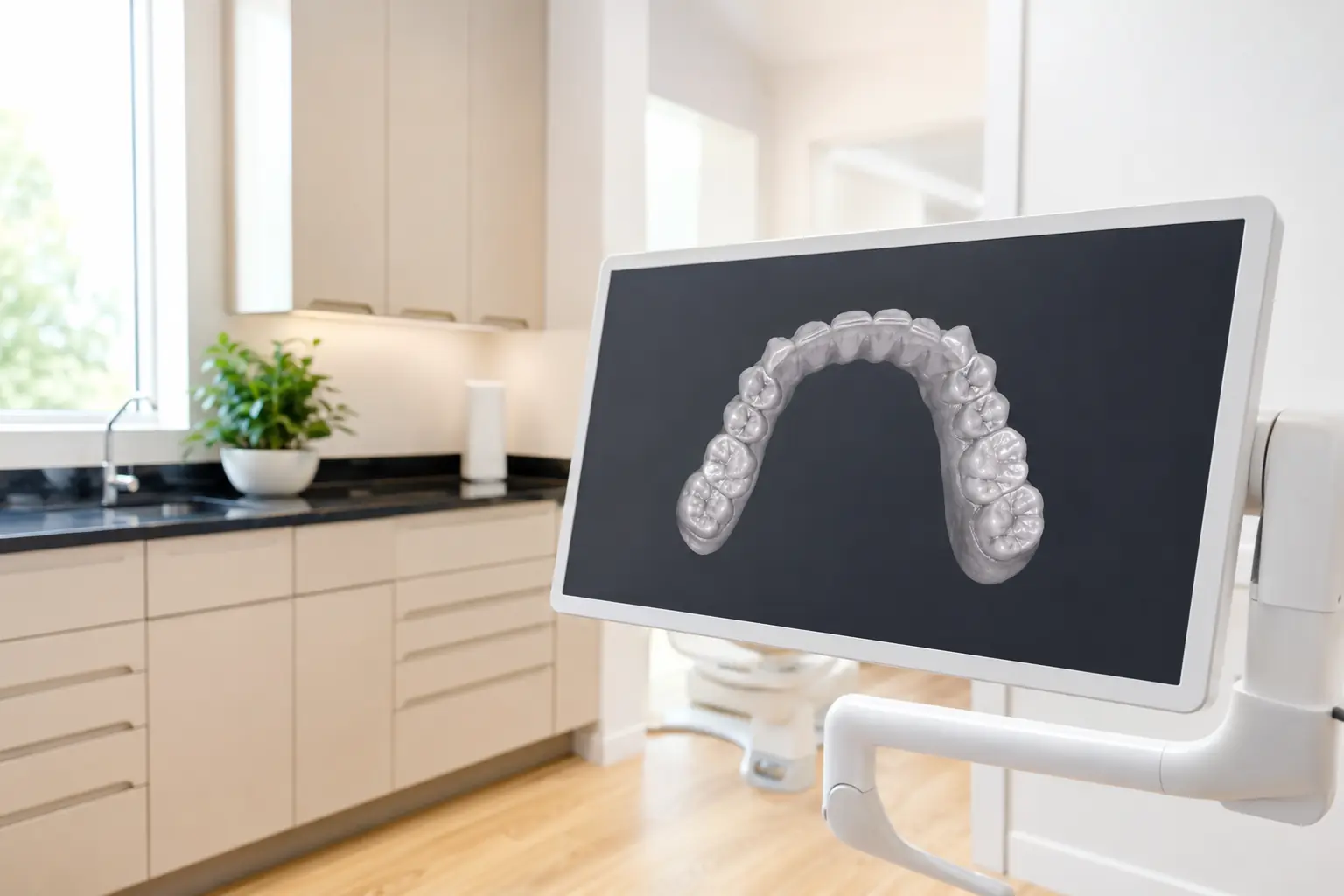
A digital scan of your teeth — no impression trays — plus an exam to confirm your teeth and gums are healthy enough to move. You'll see a projection of the expected result and get a written cost. There is no charge for this and no obligation.
Visit one — about an hourDr. Hammons designs the sequence of movements and approves the plan before aligners are manufactured. This is where the number of aligners and the length of treatment are determined, so it's the right point to ask questions.
1–2 weeksYour aligners arrive and we fit the first set, place any small tooth-colored attachments the plan calls for, and show you how to insert, remove, and clean them. Expect mild pressure for a day or two with each new set — that pressure is the treatment working.
Visit twoAligners are worn 20–22 hours a day and changed on the schedule we give you. Brief check-in visits every six to ten weeks confirm the teeth are tracking to plan. Most of this stage happens in your ordinary life, not in our chair.
6–18 months for most casesTeeth drift back toward their original position without retention — this is the single most common reason people need aligners twice. We'll fit a retainer at the end and set a wear schedule. Wearing it is not optional if you want the result to hold.
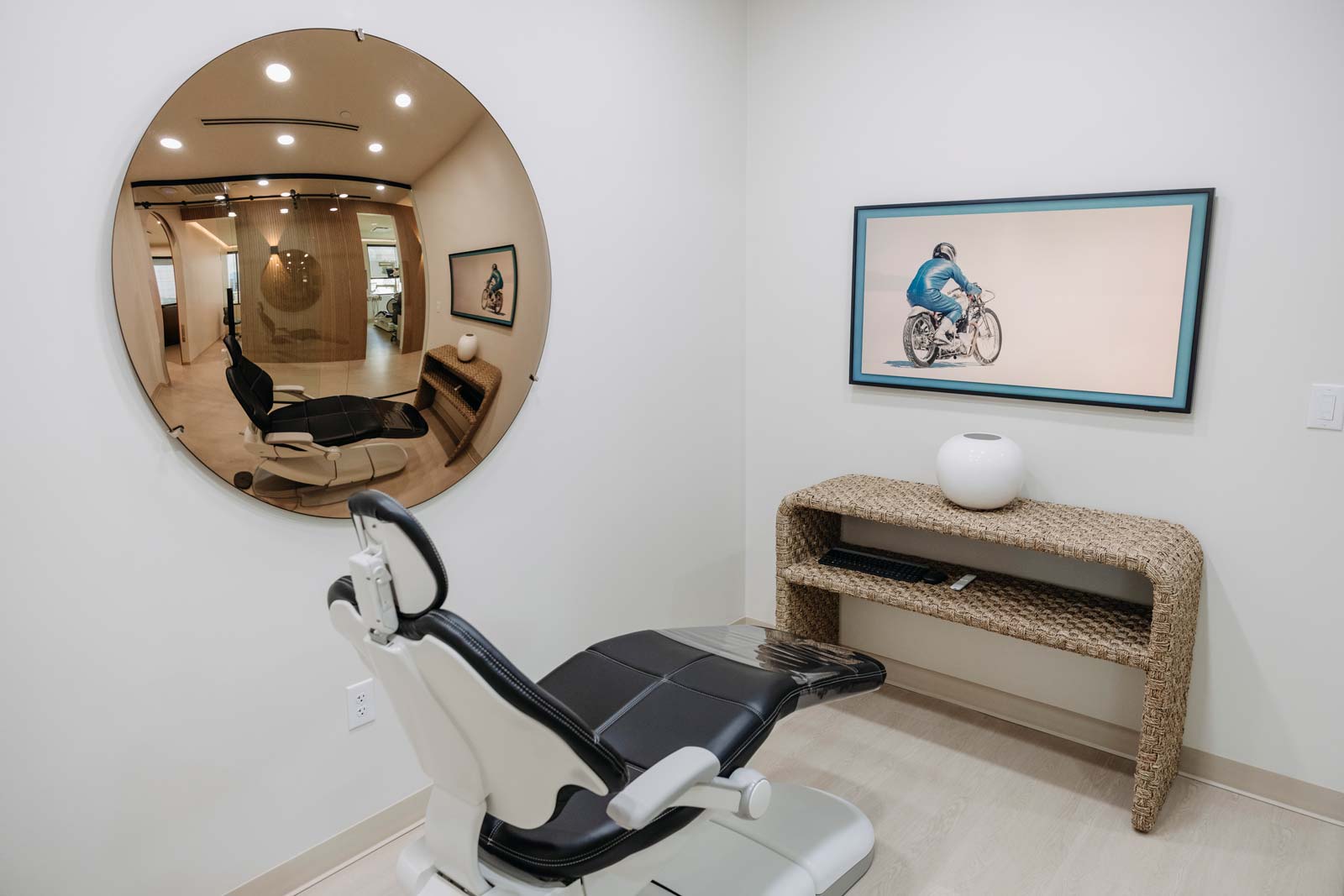
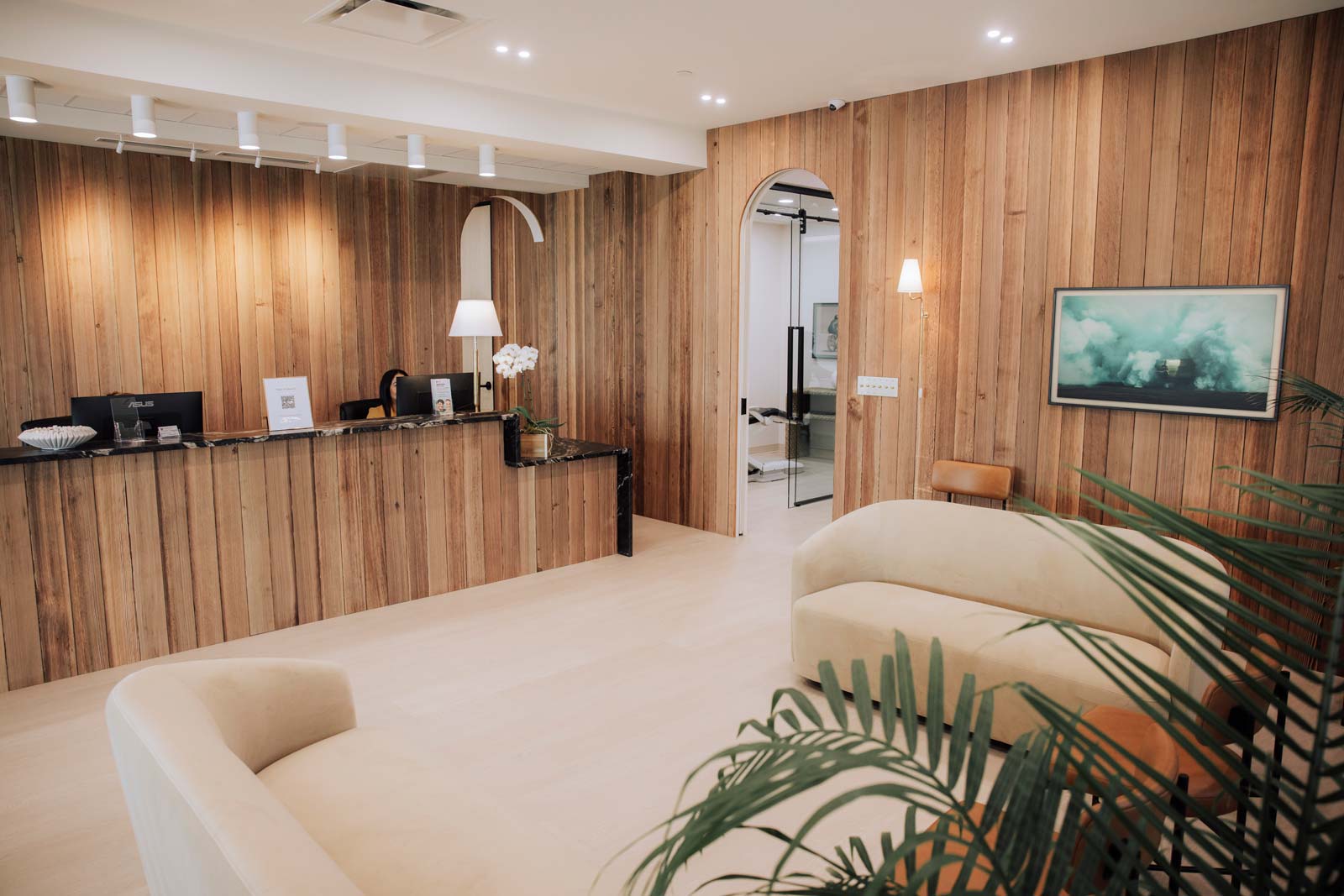
OngoingInside the Georgetown office
The consultation scan takes a few minutes and replaces the tray-and-putty impressions most people remember.
Cost and coverage
The cost of aligner treatment scales with how much movement your case needs — which comes down to the number of aligners in the sequence and the length of treatment. A short case correcting relapse after old braces sits well below a full-arch case correcting crowding and bite together.
You'll get the exact figure at the complimentary consultation, in writing, after the scan. We won't quote a range over the phone and then revise it once you're in the chair.
Many dental plans include orthodontic benefits that apply to clear aligners, often with a lifetime maximum rather than an annual one. We'll verify yours before you decide. Aligner treatment is also an eligible expense under most FSA and HSA accounts, which is worth checking before the plan year closes.
Office hours
Consultations and aligner check-ins are scheduled during regular office hours, including 7:00 AM starts Monday through Thursday for patients working around a commute. Call (512) 713-1101 or book online.
| Monday | 7:00 AM – 6:00 PM |
|---|---|
| Tuesday | 7:00 AM – 6:00 PM |
| Wednesday | 7:00 AM – 6:00 PM |
| Thursday | 7:00 AM – 6:00 PM |
| Friday | Closed |
| Saturday | Closed |
| Sunday | Closed |
FAQ
Cost depends on how many aligners your case requires and how long treatment runs, so we give you an exact written figure at the complimentary consultation after the digital scan — not a range over the phone. Many dental plans include orthodontic benefits that apply to clear aligners, often with a lifetime maximum, and FSA and HSA funds are generally eligible. We verify your specific benefits before you decide.
Most cases run six to eighteen months. Short cases correcting relapse after old braces can finish in a few months; cases correcting crowding and bite together take longer. The projection you see at your consultation is based on your actual scan, and the biggest variable after that is how consistently the aligners are worn.
For mild to moderately complex cases — crowding, spacing, most overbites, many crossbites — clear aligners achieve comparable results to fixed braces. Significant skeletal discrepancies, severely rotated teeth, impacted teeth, and surgical cases are still better handled with fixed appliances, and we refer those to an orthodontist rather than attempting them.
Twenty to twenty-two hours a day. They come out to eat, drink anything other than water, brush, and floss — and go straight back in afterward. This is the one part of the treatment that is entirely on you, and it is the main reason cases run long. Aligners in a case on the nightstand do not move teeth.
In most cases, yes. Crowns and veneers can be moved with aligners, though attachments sometimes bond differently to restorative material than to natural enamel. An implant is fused to the bone and will not move, so the treatment plan works around it — which is exactly the kind of thing the consultation and scan are for.
Both are clear aligner systems and both are prescribed and monitored by Dr. Hammons at our Georgetown office. Candid Pro is generally a lower-cost option suited to milder cases with less total movement required. Invisalign handles a wider range of complexity. We'll recommend one over the other based on your scan, not on preference.
Yes. Clear aligners work well for many teenagers, particularly those who play contact sports or wind instruments where brackets are a nuisance. Success depends on wear time, so it's worth an honest conversation about whether that's realistic before starting. We see the whole family at the Georgetown office, so aligner check-ins can be scheduled alongside routine visits.
Yes, and it is not optional. Teeth naturally drift back toward their previous position after any orthodontic treatment, and a retainer is the only thing that prevents it. We fit one at the end of treatment and set a wear schedule with you. Skipping retention is the most common reason people end up going through aligner treatment a second time.
What Georgetown patients say
No cost, no obligation
The consultation includes a digital scan and a projection of your finished result, plus a written cost. If aligners aren't the right answer for your case, we'll tell you that instead.




