

Oral Cancer Screenings in Georgetown, TX
Include the soft tissues of your mouth in your regular dental review. At our Georgetown office, an oral cancer screening looks for changes that deserve attention and helps establish a clear next step when something needs further assessment.
A screening looks beyond teeth and fillings
A dental examination also considers the tissues lining the mouth. At your Georgetown visit, tell the dentist about a sore, patch, lump, or other change you have noticed, including when it began and whether it has changed. Painless changes are worth mentioning too.
Your dentist can examine the tissues and discuss what the finding may require next. Many mouth changes have simple causes, and your dentist will recommend further testing when a definite answer is needed. Screening identifies areas that need a closer look and makes sure each one has a clear follow-up plan.

What helps your dentist evaluate a change
The location and appearance
The examination covers the lips, tongue, cheeks, gums, palate, and floor of the mouth, plus nearby areas when needed. Point out the exact place you have noticed a change. A description of its timing can add useful context to what the dentist sees today.
Your health and exposure history
Provide updated medical and dental information and discuss tobacco and alcohol use openly. Relevant history helps the dentist interpret findings and explain risk. Screening is valuable for every adult, whatever their risk factors.
What happens after the examination
A finding may need review, a further diagnostic procedure, or referral for specialist assessment. Ask what action is recommended and how soon it should occur. Any area that needs attention comes with a clear follow-up plan explained in plain language.
Leave with a specific follow-up plan
Ask what was found
If the dentist points out an area, ask for an explanation of its location and why it needs attention. Clarify whether the next step is reassessment or diagnostic evaluation. A screening is a careful examination, and a biopsy or specialist visit provides a diagnosis when one is needed.
Record the next appointment
If a review or referral is recommended, confirm who will arrange it and what information should be shared. Keep your follow-up appointment even if the area feels better, so your clinician can confirm it has resolved. If the suggested timeframe is hard to fit, tell the team and we will help you find another option.
Report changes between visits
Call the office about any new or lasting tissue change, and we will find a prompt time to examine it. Describe any change in swallowing, speaking, or mouth function along with the visible finding. The team can advise on the appropriate assessment based on what you report.
Oral tissue assessment in Georgetown
Hammons Family Dental is at 1502 Blue Ridge Dr., Suite 101, with ground-floor entry and on-site parking for Georgetown and Sun City patients. Dr. Hammons and Dr. Jain both practice here. Office hours are Monday through Thursday, 7:00am–6:00pm, with closure Friday through Sunday. If you have already noticed a mouth change, mention it when calling so it is understood as a reason for assessment. Screening is part of routine exams, and it helps to mention any new concern at the start of your visit.
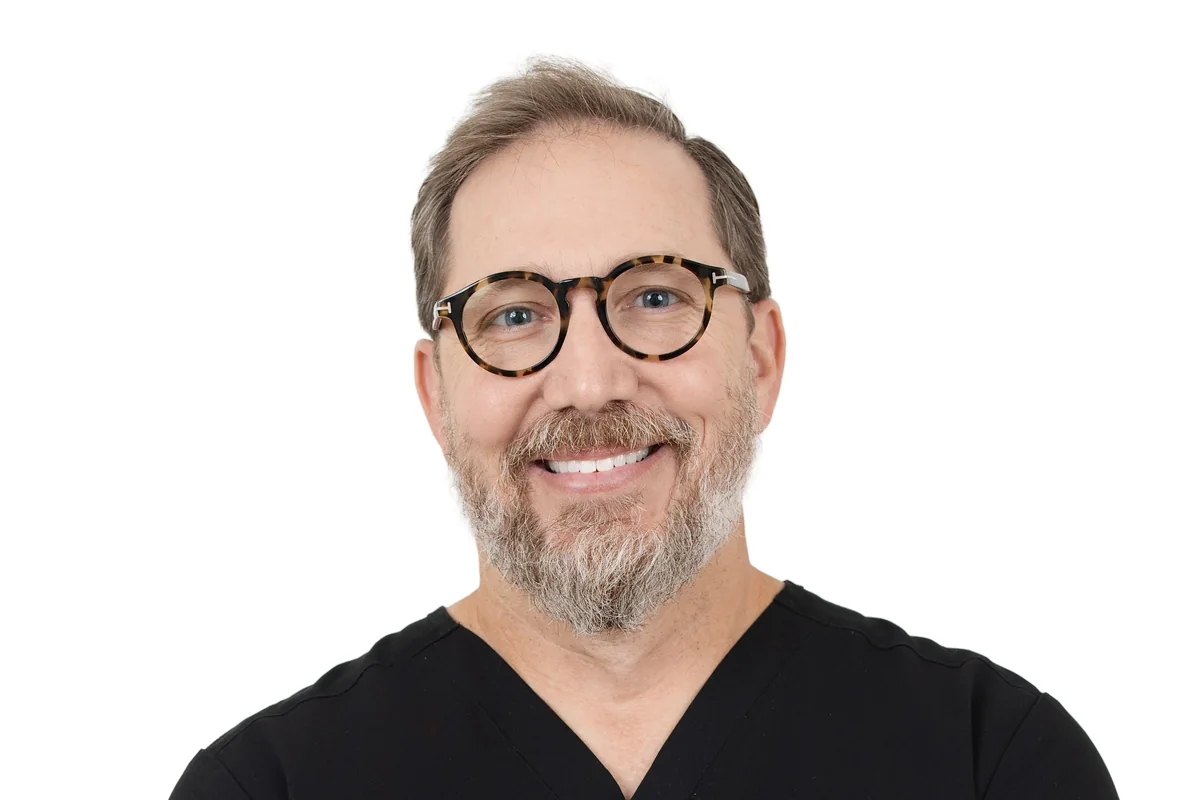
Hammons Family Dental is privately owned and veteran-led. Meet Dr. Travis Hammons and Dr. Paras Jain before your visit.
Plan your visit to Georgetown
The $129 New Patient Experience is available at Hammons Family Dental. Ask how the offer applies to your first visit and discuss treatment costs separately. CareCredit, Cherry, Prosper, and an in-house dental plan are available; review our financial options with the team.
Hammons Family Dental — Georgetown
1502 Blue Ridge Dr., Suite 101Georgetown, TX 78626(512) 713-1101
Mon–Thu 7:00am–6:00pm · Closed Friday–Sunday
Schedule nowHammons Family Dental — North Austin
10740 Research Blvd., Suite 125Austin, TX 78759(512) 795-9960
Mon–Thu 7:00am–6:00pm · Fri 8:00am–5:00pm · Closed Saturday–Sunday
Schedule nowOral Cancer Screenings questions in Georgetown
What does a normal screening result mean?
It means no area of concern was found during that exam. The examination helps identify concerning findings, and your dentist explains whether additional assessment is needed. Continue reporting new or persistent changes between visits. At the Georgetown office, your dentist will tell you what was examined and whether any area needs follow-up.
Is a painless mouth sore worth mentioning?
Yes. Describe any persistent or changing sore, patch, or lump, even if it is painless. Tell your Georgetown dentist when you first noticed it and what has happened since. The exam determines the next step, whether the sore hurts or not.
Will a suspicious finding mean I have cancer?
Many findings turn out to be harmless. Many tissue changes have other causes, and further evaluation may be needed to distinguish them. Your Georgetown dentist will explain what makes the finding worth investigating and the recommended next step. When a definite answer is needed, a biopsy or specialist evaluation provides it.
Is screening important for non-smokers?
Yes. Tobacco history is one factor your dentist considers among several, so screening benefits every patient. The Georgetown examination considers your tissues and relevant health information. Tell the dentist about changes you have noticed regardless of tobacco use or whether you feel otherwise healthy.
What should I do after receiving a referral?
Confirm whom to contact, the recommended timing, and which records need to be shared. Let the Georgetown team know if you have difficulty arranging the visit. Follow-up completes the assessment, so keep any referral appointment even if the sore starts to feel better.
Discuss oral cancer screenings in Georgetown
Schedule a Georgetown dental examination and mention any mouth changes when you call. Your dentist can review the tissues, explain the findings, and help establish the appropriate follow-up.
Schedule now